



Emotional development
Emotional and social development
Growing up also means learning to recognise how you feel, to express those feelings and to manage them, without hiding your emotions or letting them overwhelm you.
Emotional and social skills are developed primarily through relationships and everyday experiences. Collaborating, dealing with conflict, negotiating, accepting frustration, recognising one’s limits or reaching an agreement are all opportunities to get to know oneself and others better. Even words such as ‘respect’ and ‘consent’ take on meaning when children and young people learn to recognise them and put them into practice in their relationships.
Adults help children to reflect on what is happening, to understand their own behaviour and that of others, and to find more mindful ways of interacting with others. It is a process which, over time, also helps to prevent bullying.
In Becoming Schools, emotional and social development runs throughout the entire 0–13 age range; it takes shape in everyday relationships, in group life, in learning experiences and in dialogue with adults.
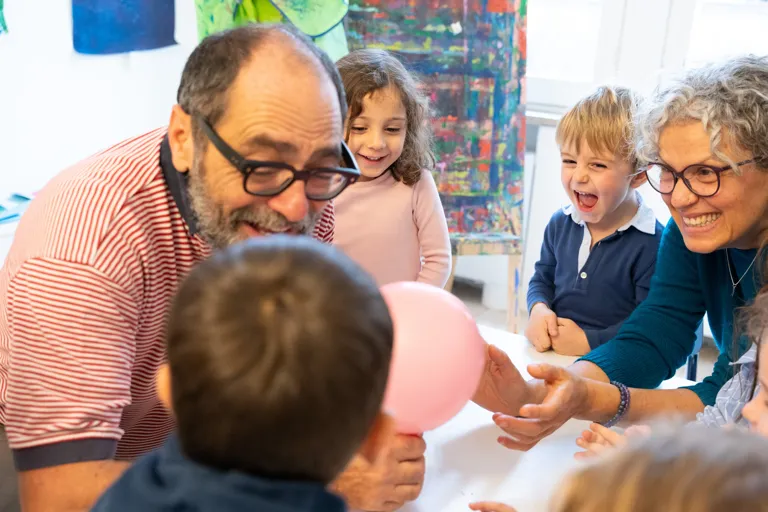
Feeling well to learn better
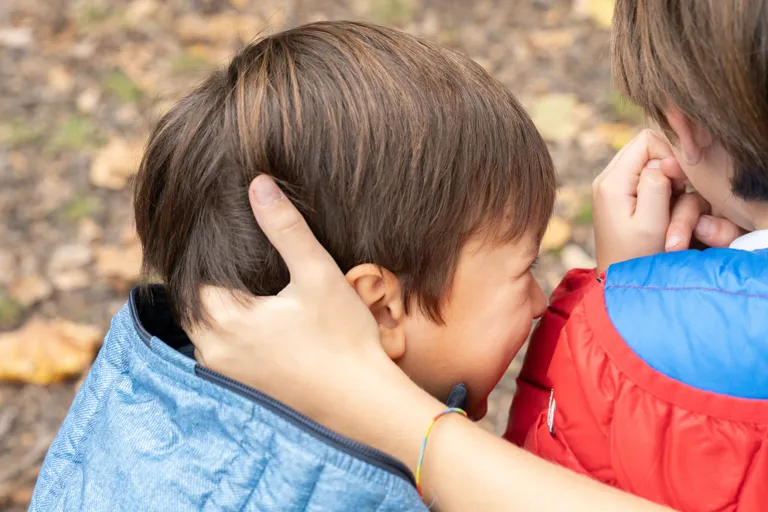
Feeling welcomed, valued and safe creates the conditions for exploring, participating, learning and tackling new experiences with confidence.
As they grow up, children and young people also learn to deal with difficulties, frustrations and conflicts with greater awareness and independence. Well-being does not mean never encountering difficulties, but having the tools to deal with them.
That is why emotional and relational growth is part of the learning experience and of the way in which we learn to interact with others.
Skills that develop over time
Throughout the 0–13 age range, children and young people gradually learn to:
- Recognising and managing emotions: putting a name to what you’re feeling and understanding the signs.
- Expressing how you feel: finding appropriate and respectful words to express yourself.
- Understanding others: by listening to different points of view and developing empathy.
- Dealing with conflicts: assessing situations and seeking solutions through dialogue.
- Asking for and offering help: recognising when you need support and becoming a source of support for others.
SEL Social Emotional Learning
In the 6–13 age group, this focus also takes the form of a structured Social and Emotional Learning (SEL) curriculum, which is already in place in several primary and secondary schools and is gradually being rolled out across the network.
SEL provides a dedicated space where children and young people learn to recognise and manage their emotions, understand other people’s perspectives, communicate effectively, build positive relationships and make responsible decisions.
The activities are based on situations, experiences and dynamics appropriate to different age groups and help pupils to reflect on themselves, their relationships and the behaviours that promote individual and group wellbeing.
The SEL project helps to develop key skills for global citizenship: an understanding of diversity, responsible participation in community life, and a commitment to the common good.
The role of adults
Emotional and social development requires adults who are able to observe, listen and make sense of what happens in relationships.
Educators and teachers create environments in which children and young people can express themselves, engage with one another and gradually learn to tackle difficulties and conflicts. In every school, the educational advisor works alongside the teams to identify needs and reflect on educational practices.
Where available, psychologists can also offer specific support to students, families and teams during stages that require particular attention.
The roles and services available vary from school to school, but there is a shared commitment to identifying needs and supporting relationships.