

FIND THE RIGHT SCHOOL FOR YOUR CHILDREN
Type
Province

FIND THE RIGHT SCHOOL FOR YOUR CHILDREN
Type
Province
Becoming education
Bilingual nurseries and schools for children aged 0–13
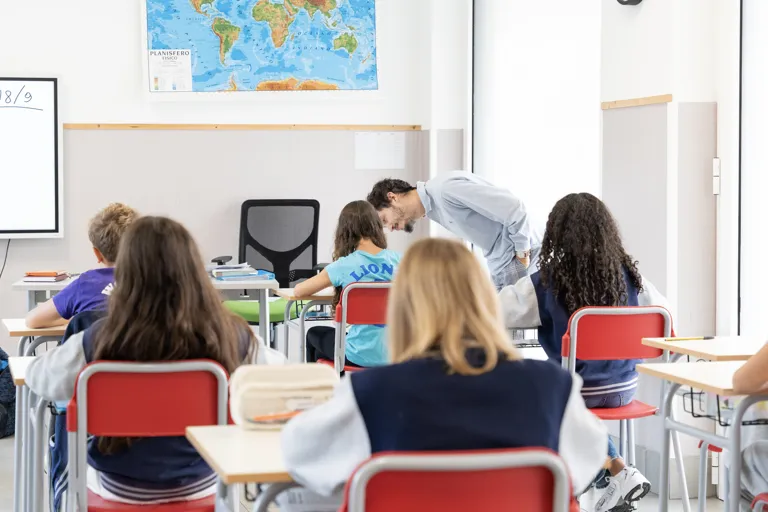
Why are more and more families choosing Becoming Education?
- educational continuity throughout the different stages of growth
- a natural and everyday bilingualism
- experiential learning
- a focus on emotional and social development
Well-trained and dedicated educators and teachers, combined with constant pedagogical supervision and a partnership with families, create a safe and stimulating environment for every child and young person.
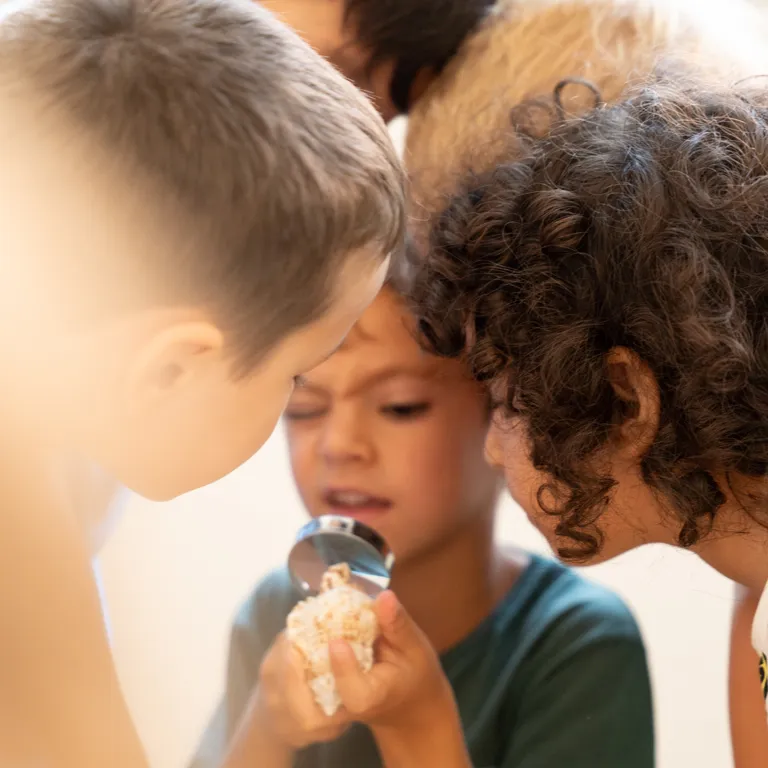
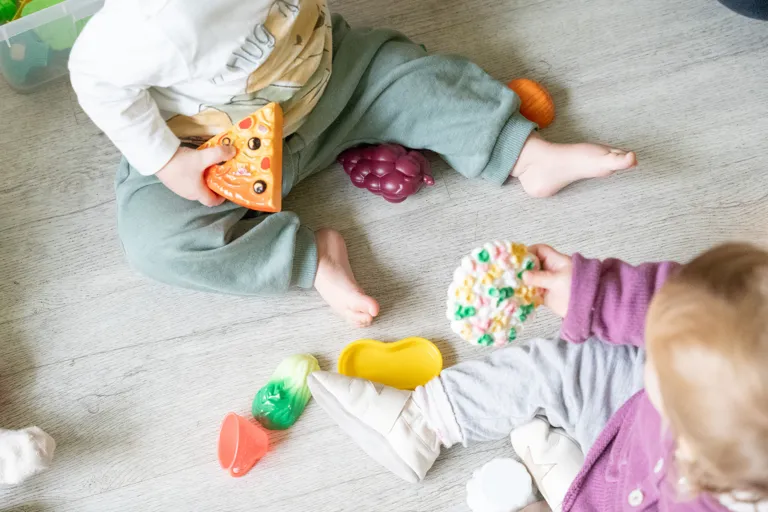
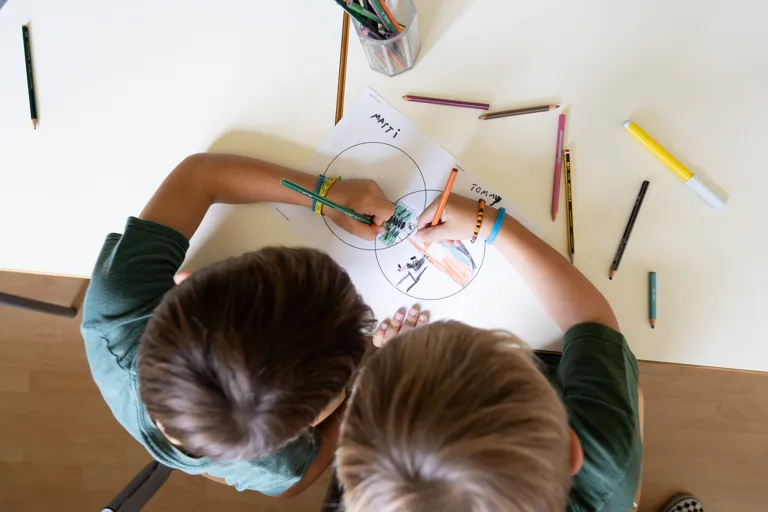
In the 0–6 age group, we draw inspiration from the Reggio Emilia Approach and encourage sensory exploration. In Primary and Secondary school, this approach continues through experiential workshops, STEAM, and teaching based on questioning and debate.
We supplement the National Guidelines with international pedagogical references. The result is a comprehensive and inclusive curriculum for ages 0–13, which guides every child and young person towards independence and critical thinking.
Guided by native-speaking and bilingual teachers, in the early years children are introduced to English through play, social interaction and everyday life. In primary and secondary school, the languages are divided on a 50/50 basis, becoming tools for study and research.
Our approach is underpinned by our scientific collaboration with the international network Bilingualism Matters.
Parks, gardens, streets and community spaces become an extension of the school: here, children and young people explore, carry out research and put what they learn to the test.
Outdoor experiences foster well-being, independence, collaboration and respect for the environment, evolving as children grow into a genuine form of interdisciplinary learning within the local area.
From an early age, we help children to recognise and manage their emotions, communicate respectfully and resolve conflicts through dialogue.
In the 6–13 age group, this focus takes the form of Social and Emotional Learning (SEL), a curricular programme that develops empathy, collaboration, responsibility and self-awareness through ongoing pedagogical support.
In Becoming Education schools, professional development is an ongoing process that fosters competence, awareness and a caring approach to education. Through the Becoming Academy, a training centre exclusively for our staff, educators and teachers take part in ongoing programmes, school exchanges and meetings with experts.
Our vision also extends to the local area: parks, museums and local organisations act as educational partners, guiding children and young people to become informed citizens and feel part of a wider community.
- educational continuity throughout the different stages of growth
- a natural and everyday bilingualism
- experiential learning
- a focus on emotional and social development
Well-trained and dedicated educators and teachers, combined with constant pedagogical supervision and a partnership with families, create a safe and stimulating environment for every child and young person.
In the 0–6 age group, we draw inspiration from the Reggio Emilia Approach and encourage sensory exploration. In Primary and Secondary school, this approach continues through experiential workshops, STEAM, and teaching based on questioning and debate.
We supplement the National Guidelines with international pedagogical references. The result is a comprehensive and inclusive curriculum for ages 0–13, which guides every child and young person towards independence and critical thinking.
Guided by native-speaking and bilingual teachers, in the early years children are introduced to English through play, social interaction and everyday life. In primary and secondary school, the languages are divided on a 50/50 basis, becoming tools for study and research.
Our approach is underpinned by our scientific collaboration with the international network Bilingualism Matters.
Parks, gardens, streets and community spaces become an extension of the school: here, children and young people explore, carry out research and put what they learn to the test.
Outdoor experiences foster well-being, independence, collaboration and respect for the environment, evolving as children grow into a genuine form of interdisciplinary learning within the local area.
From an early age, we help children to recognise and manage their emotions, communicate respectfully and resolve conflicts through dialogue.
In the 6–13 age group, this focus takes the form of Social and Emotional Learning (SEL), a curricular programme that develops empathy, collaboration, responsibility and self-awareness through ongoing pedagogical support.
In Becoming Education schools, professional development is an ongoing process that fosters competence, awareness and a caring approach to education. Through the Becoming Academy, a training centre exclusively for our staff, educators and teachers take part in ongoing programmes, school exchanges and meetings with experts.
Our vision also extends to the local area: parks, museums and local organisations act as educational partners, guiding children and young people to become informed citizens and feel part of a wider community.
Becoming Education
Becoming Education is an educational project for children aged 0 to 13 that promotes participatory education and combines expertise, pedagogical research and extensive practical experience.
Our schools share a common vision and solid pedagogical principles. At the same time, each school retains its own identity, history and links with the local community.

The Becoming Academy is our network’s continuing professional development centre, offering both face-to-face and online courses, exclusively for educators and teachers at Becoming Education schools.
It is a venue for ongoing research and discussion. Courses, school exchanges, meetings with experts and dialogue with university researchers help professionals to develop new skills and methodologies.
The Academy trains professionals who observe, experiment and conduct research. In this way, it upholds common pedagogical guidelines across all schools, ensuring high educational standards and the ongoing development of the 0–13 programme.