Bilingualism
Natural, everyday bilingualism
In Becoming Education schools, Italian and English are part of everyday life. These languages underpin relationships, play, experiences and learning throughout the entire journey from 0 to 13 years of age.
A language becomes meaningful when it is used to communicate something true: asking questions, sharing a discovery, listening to a story, explaining a project, studying or working with others. That is why English is not just a subject, but gradually becomes part of our lives and our learning.
You do not need to know any English to start a bilingual programme. Every child and young person can begin learning the language at their own level and, over time, develop their understanding, confidence and independence.
The benefits of bilingualism
- Superior logical abilities: greater analytical and problem-solving skills
- Greater attention and concentration: switching between languages requires focus
- Enhanced creativity: a predisposition towards divergent thinking and non-verbal creativity
- Enhanced working memory: bilingual children find it easier to do mental arithmetic and to memorise instructions
- Cultural openness and long-term benefits: recognising the diversity of viewpoints, an open-minded attitude towards the world’s cultures, and greater mental flexibility even in adulthood
Bilingualism grows with them
Bilingualism takes on different forms as children and young people grow up. In the early years, it is primarily shaped by relationships and context. Over time, they develop the ability to use English to study, reason and communicate increasingly complex ideas.
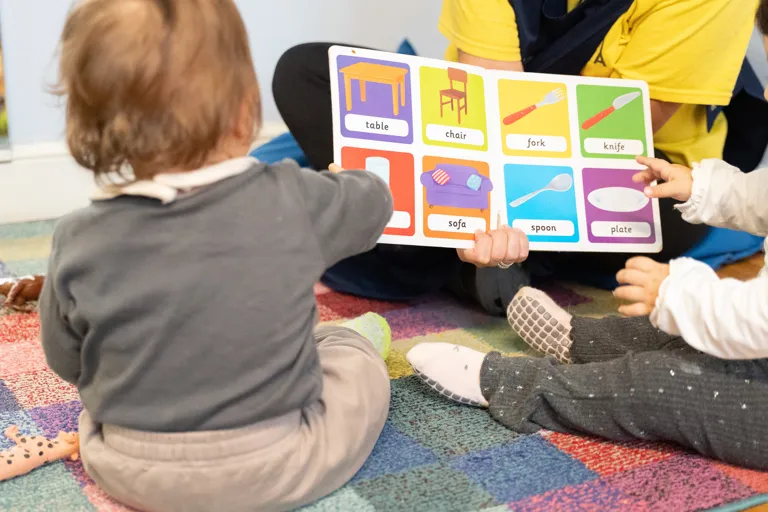
Nursery and Kindergarten: listening, understanding, getting involved
In the early years, boys and girls are introduced to English through relationships, play, daily routines, reading aloud, music, movement and experiences both inside and outside school.
Understanding develops through context, gestures, repetition and interaction with adults who use the language naturally and consistently. In some schools, this experience may also take the form of a ‘Full English’ programme.
Primary School: learning in two languages
In our primary schools, Italian and English are used in roughly equal measure: various subjects are taught in English, which thus becomes a language for thinking, asking questions and building knowledge, as well as for communicating.
Boys and girls gradually learn to use both languages in different contexts and subject areas, in order to communicate, collaborate and present what they have learnt.
Middle School: studying and communicating with greater independence
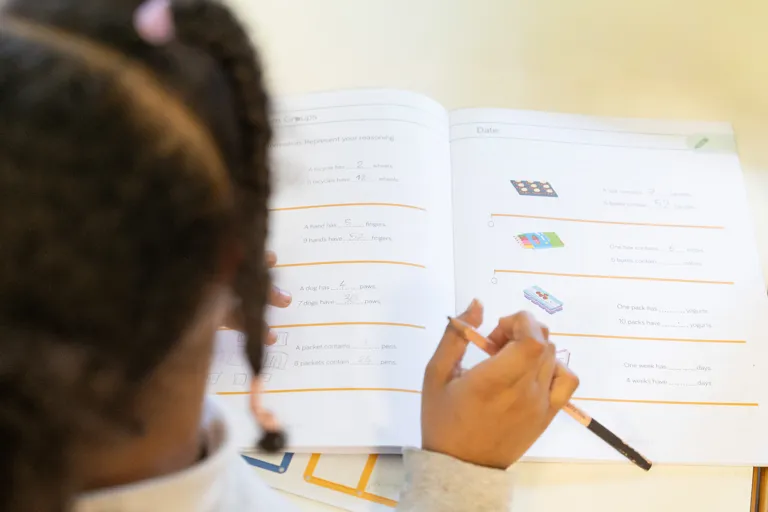
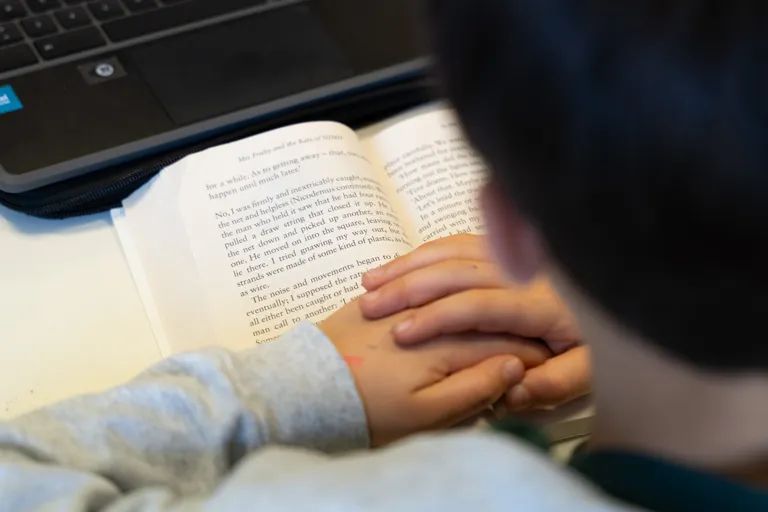
In middle school, Italian and English are taught in equal measure, with various subjects taught in English.
Pupils use both languages to tackle increasingly complex texts and content, carry out research, give presentations and undertake interdisciplinary projects, whilst progressively developing the language skills needed to study, argue their case and communicate with greater independence.
An international perspective
The Becoming project integrates, in different ways across the network’s schools, internationally recognised educational programmes and approaches, such as Cambridge International and the International Baccalaureate (IB).
Some schools incorporate international programmes into their curriculum, whilst others integrate their principles, methodologies and practices into their teaching plans.
Language certificates serve a different purpose: they enable students to demonstrate the level of English they have achieved.
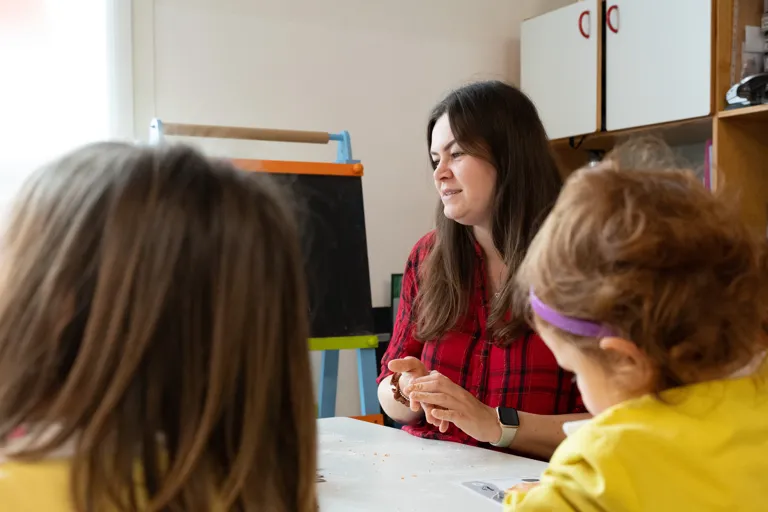
The role of teachers and educators
A bilingual environment requires adults who are able to provide accurate linguistic models whilst, at the same time, building genuine relationships.
Becoming Education schools are staffed by teachers and educators who are either native speakers or bilingual. They work alongside the rest of the team to design learning experiences that are coherent, accessible and appropriate for different age groups. The quality of the learning journey stems from the combination of linguistic expertise, educational experience, collaborative planning and consideration for each child’s individual pace.
Continuing professional development helps teams understand how children and young people come into contact with, develop and use multiple languages.
Research, training and international exchange
Becoming Education collaborates with Bilingualism Matters, an international network dedicated to research and the dissemination of knowledge on bilingualism and multilingualism.
Engaging with research, academics and professionals supports the development of our bilingual programme and the training of our teams, whilst providing families with tools to better understand how children and young people learn and use multiple languages.