



Outdoor education
In relation to the local area
In Becoming Education schools, outdoor education is an integral part of the way of life and the way the school operates. Gardens and parks, as well as streets, squares, museums, markets and community venues, become spaces for experience and learning.
Children and young people explore their local area, observe what is happening, ask questions, gather information and build their knowledge through direct experience.
We believe that care stems from knowledge: getting to know and experiencing places helps us to feel that they are part of our own world and to look after them.
The local area as a place of learning
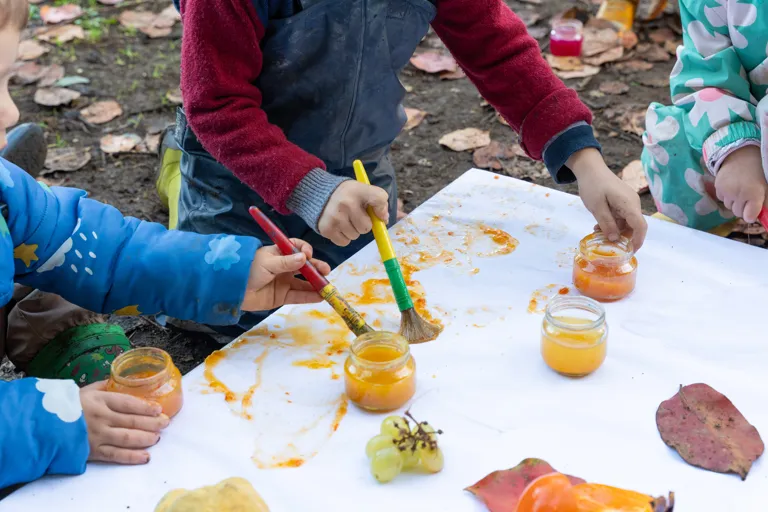
Simply going outside is not enough. Outdoor experiences become meaningful when what happens outdoors is linked to the educational and learning process. Teachers observe the context, plan the experiences and help children and young people to reflect on what they have experienced, transforming their discoveries and questions into new learning opportunities.
The starting point could be a question from the children, a topic covered in class, a phenomenon to observe or a local place to explore.
As children grow up, outdoor experiences increasingly take the form of outdoor learning: activities designed with specific learning objectives, in which the local environment provides an opportunity to explore different subjects in greater depth and make connections between them.
Each school draws on the resources available to it and develops learning experiences that are appropriate to the pupils’ age, the curriculum and its own context.
The benefits of Outdoor Education
- well-being and physical activity, through an active engagement with outdoor spaces;
- curiosity and observation, learning to question what is happening;
- independence and problem-solving, by tackling real-life situations and seeking solutions;
- collaboration, sharing experiences, discoveries and responsibilities;
- the ability to assess risk, by learning to recognise one’s own limits, make choices and tackle challenges appropriate to one’s age;
- care for the environment and the local area, which stems from knowledge and first-hand experience.
Outdoor Education for children aged 0–13
Experiences change as we grow: from exploring through our bodies and senses in the early years, to using the local area to deepen our knowledge, carry out research and interpret reality.
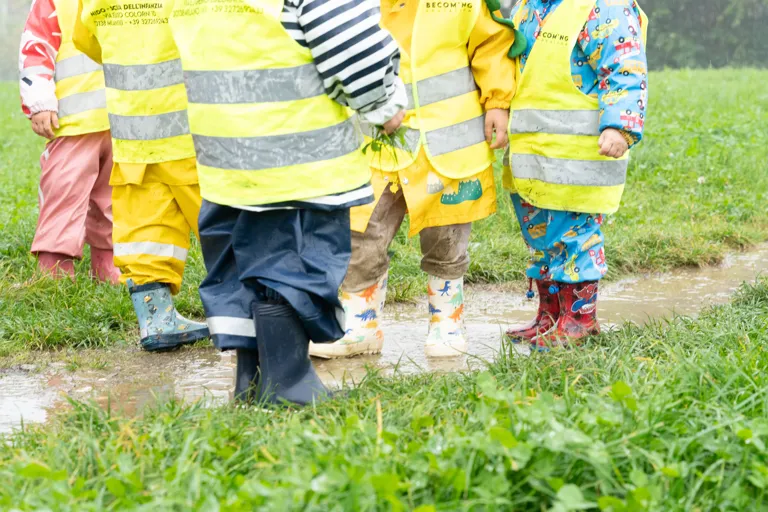
Nursery and Kindergarten: exploring and discovering
In the early years, outdoor experiences stem from movement, play and discovery. Nature, materials and changes in the environment provide opportunities to observe, touch, listen and ask questions.
Boys and girls explore what their bodies are capable of, face small challenges and gradually learn to look after the environments in which they live.
Primary School: observing and making connections
In primary school, hands-on experience is interwoven with learning. Boys and girls observe phenomena, collect data, explore their local area and use different forms of expression to interpret what they encounter.
The local area thus offers practical opportunities to link science, maths, geography, art, language and other subjects.
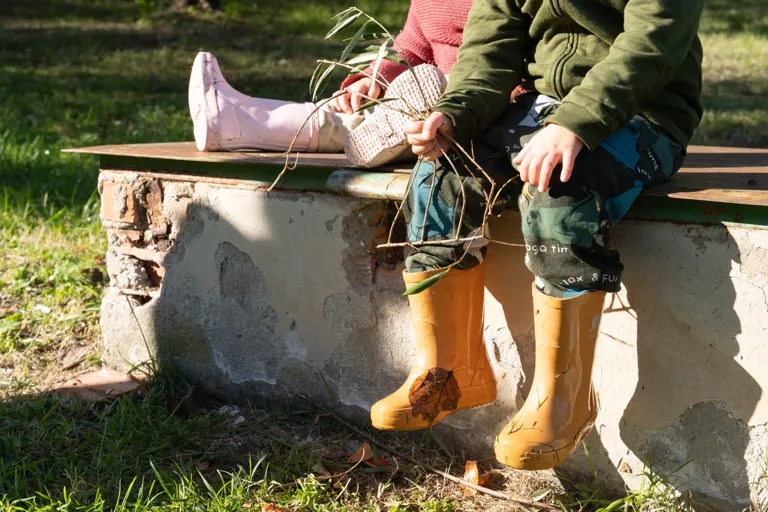
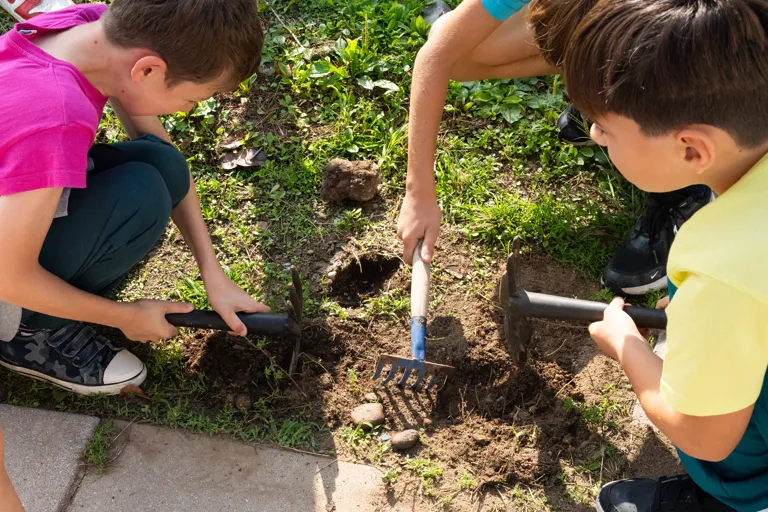
Middle School: investigating and interpreting
In middle school, outdoor learning supports more in-depth research and projects. Pupils observe environmental, social and cultural phenomena, collect and interpret data, compare sources and deepen their understanding of places and communities.
The local area becomes a real-life setting in which to put knowledge and skills to the test, develop critical thinking and understand the consequences of individual and collective choices.